Over 25 Million Downloads
Our Podcast
Eavesdrop on Lisa, Deb, and Joseph as they engage in lively, sometimes irreverent conversations about a wide range of topics and dream analysis through the lens of depth psychology provided by Carl Jung.
Over 25 Million Downloads
Our Podcast
Top five listener favorites

Spotify

Apple

YouTube

Tune In

Pandora

Dreams Of God: A Jungian Philosophy of Theophany
When a dream presents God (personally or symbolically), it typically signifies a constellation of the Self, the regulating center and totality of your Psyche. We experience this as other, and it evokes a religious feeling. It often brings a question: “Who is the maker of dreams, what is the status of that superior intelligence, and how does it relate to my religion, ethics, and matter itself?”
DAIMON: Demon or Destiny?
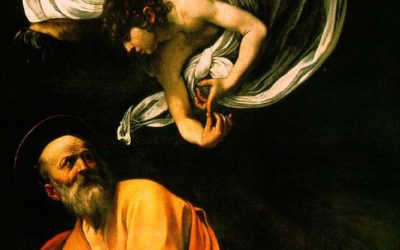
The daimon, guiding spirit of individual destiny, was discussed by ancient Greek philosophers. Daimons were particularly linked to creativity and life force and described as lesser deities, divine messengers, and determinative fates. For Jung, “daimon” was a synonym for that part of the unconscious concerned with life purpose, and it spoke through intuition and dreams. Ego’s task is transforming the autonomous power of the daimon into authentic expression in life. Jungian analyst and author James Hillman says, “The soul of each of us is given a unique daimon before we are born, and it has selected an image or pattern that we live on earth. This soul-companion, the daimon, guides us here; in the process of arrival, however, we forget all that took place and believe we come empty into this world. The daimon remembers what is in your image and belongs to your pattern, and therefore your daimon is the carrier of your destiny.”

Can We Consider Abortion?
Issues like abortion test our ability to tolerate ambiguity and anxiety without activating the polarizing defenses of judging, moralizing, or demonizing the other.

Archetypal Aspects of School
Schools have existed across cultures and throughout time; the knowledge they transmit leads us out of childhood, shapes our values and world view, and grooms us for citizenship.
Dream Incubation with Machiel Klerk
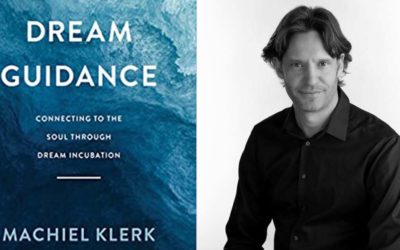
Guest Machiel Klerk has worked with dreams and healing traditions worldwide; his new book is Dream Guidance: Connection to the Soul through Dream Incubation. Religions, shamanic practices, and depth psychology have recognized the significance of dreams and sought their aid.

DEATH: A Jungian Perspective
Awareness of death can help us create an intentional life—one that serves the movement of soul toward wholeness. Jung realized that although we experience death as “a fearful piece of brutality,” the unconscious images death as celebration.

Hans Christian Andersen: Persona & Personhood
While many of Hans Christian Andersen’s 19th-century stories have moralizing motifs, their universality and depth places them among ageless fairy tales.

POISON: Toxic or Transformative?
Pharmakon, the ancient Greek word for drug, can mean both “remedy” and “poison.” There is a close connection between poison and cure. Poison is stealthy, and takes us by surprise, whether through an unseen snake’s venomous bite or a ripe apple’s alluring disguise. Psychological poison glides past our defenses, pervades our being, and wounds us where we are most vulnerable. We participate in our poisoning through our own unknowing, from toxic cognitions and rigid fixations to self-doubt and self-sabotage. Poison can transform us by stinging us into building the immunity of increased consciousness and insight. Reason and objectivity can act as antidotes, allowing old attitudes to dissolve and new awareness to arise. Whether a poison is injected or ingested, we can use it for cure.

HOMESICKNESS: Longing & Belonging
Homesickness asks that we bear leave-taking and loneliness in service to belonging to a wider world, building new relationships, and the eventual realization that the soul’s true home is a transcendent source of personal being.

VOCATION: Answering the Call
Vocation, once associated with serving God through service to others, is now most strongly associated with a career having personal worth. Vocation spans a range of needs and values: commitment to making ends meet, striving for material rewards and social status, or the more internal satisfaction of research, helping others, and artistic expression. Freud considered love and work the cornerstones of our humanness, and Jung said, “In the final analysis, we count for something only because of the essential we embody, and if we do not embody that, life is wasted.” A discernment process is essential to determining the difference between a true calling and ego ambitions, what we want versus what we can have, and distinguishing dream from dedication. Ultimately, however, vocation is a state of being—so perhaps we can invest the work we have with a sense of call.
THE PRODIGAL SON as Shadow, Ego & the Self
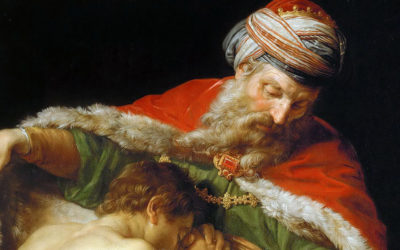
The allegorical tale of the Prodigal Son illustrates Jung’s basic understanding of the structure and development of the psyche.
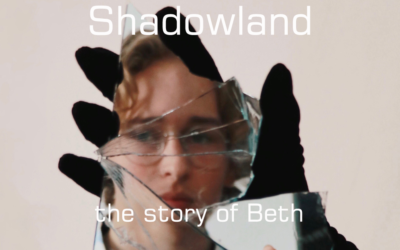
SHADOWLAND: DETRANSITION – THE STORY OF BETH
Beth underwent gender transition from natal female to trans male and has since de-transitioned.