Over 25 Million Downloads
Our Podcast
Eavesdrop on Lisa, Deb, and Joseph as they engage in lively, sometimes irreverent conversations about a wide range of topics and dream analysis through the lens of depth psychology provided by Carl Jung.
Over 25 Million Downloads
Our Podcast
Top five listener favorites

Spotify

Apple

YouTube

Tune In

Pandora

THE BARBIE MOVIE: Can it Dismantle an American Myth?
In 1959, the Barbie doll hit the market and created a stir. American mothers objected to her sensuous form, so Mattel marketed it directly to children, a tactic never used before, and it worked. The maternal archetype of Hera, sentinel of the social order, goddess of childbirth, and protectress of the home, was supplanted. Aphrodite, the captivating goddess exuding an aura of beauty, desirability, and persuasive allure, had arrived.
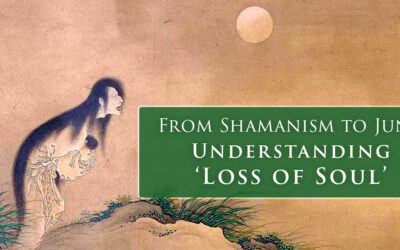
From SHAMANISM to JUNG: Understanding’ Loss of Soul’
“Loss of soul amounts to a tearing loose of part of one’s nature; it is the disappearance and emancipation of a complex, which thereupon becomes a tyrannical usurper of consciousness, oppressing the whole man. It throws him off course and drives him to actions whose blind one-sidedness inevitably leads to self-destruction.”
CG Jung CW6, para 384

HAGITUDE: Sharon Blackie on the power of aging
Elderhood can be a time to shed the roles assigned to us. Menopause can be welcomed as a rite of passage with the Hag silently waiting for us to see her. If we have learned how to recognize her, renewal and reclaiming is possible. The stories of those who have gone before us carry a strange beauty that can stir a memory in our soul and set us on the path.
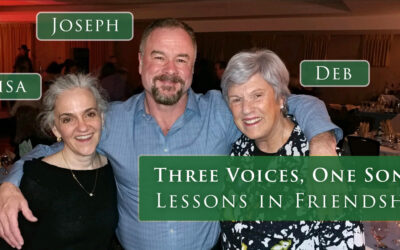
Three Voices, One Song: lessons in friendship
With high spirits, we three revisit our first meeting and reflect on the discovery of kinship between us. Our experiences of trust, reciprocity, and shared hardship marked by endless conversations and abundant laughter forged our bond during analytic training. Yet it reflects more than our shared life; friendship is archetypal.

You’re Not a Fraud: Overcoming Imposter Syndrome
Imposter syndrome constellates the gut-wrenching fear of being exposed as a fraud no matter how much we have learned or the successes we have demonstrated. In 1978 two researchers identified and explored a painful phenomenon among some high-achieving women. Despite their high levels of success, they were convinced they were not as competent, intelligent, or skilled as others might think. Instead of identifying with their capabilities, they often attributed their success to luck, personal persuasion, or an unanticipated burst of energy. Further research revealed this struggle was equally distributed among men and women.

FRIEND or FOE: The AI Debate with Michael L. Littman, PhD
The uses and abuses of ChatGBT artificial intelligence language model have taken the collective imagination by storm. Apocalyptic predictions of the singularity, when technology becomes uncontrollable and irreversible, frighten us as we imagine a future where human intelligence is irrelevant. Prof. Michael Littman joins us to contextualize the advancement of artificial intelligence and debunk the paranoid rhetoric littering the public discourse.

Meeting Shadow on the Spiritual Path with Connie Zweig
Award-winning author, depth psychotherapist, and guide Connie Zweig shows us encountering darkness is a necessary part of our spiritual journey. In the first half of life, we disown aspects of ourselves to fit in and navigate our world more smoothly. Over time we realize all aspects of ourselves must be recalled and befriended. Integration of these shadow aspects lays the foundation for spiritual awakening.

Reviving Tolerance in Cancel Culture
In a world reduced to digital exchanges and swift judgments, reviving tolerance has become vital. Toleration comes from the ancient Proto-Indo-European root meaning “to carry,” a capacity collapsing in current culture. We stumble into extremes when we lose the strength to carry the tension of opposite ideas and feelings. Exaggerations of discomfort and hyperbolic comparisons pepper media messages and inflame the underinformed public–the collective psyche lists from topic to topic. In the vertigo of confusion, we make terrible decisions and strike out blindly.

HEALING the RIFT: Anima Mundi in a Disenchanted World
To reimagine that we are part of a responsive web of life, is to resist the mechanistic worldview that treats nature as a lifeless object to be controlled and exploited. It reawakens a parallel universe where our material actions simultaneously appear in our inner world, not as photographs of our acts but as symbols that reveal the secret relationship between ourselves and those we influence.
Hypochondria’s Havoc and the Quest for Reassurance
What sets hypochondriasis apart from merely being cautious about one’s health? The answer lies in the severity of the worry and its impact on everyday life. An individual with hypochondriasis lives with constant, debilitating fear; it is not a fleeting concern. As IAD progresses, it becomes a lens through which they see their life, leading to significant distress and impaired functioning.
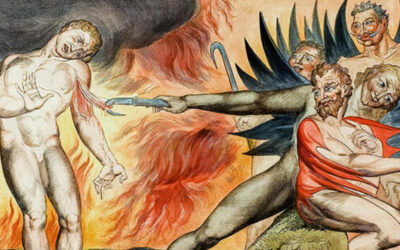
Our Moral Compass: Understanding Guilt, Remorse, & Atonement
A sudden pang in the chest, a quiet voice persistently whispering at the back of our mind, we experience guilt when our actions, or deliberate lack thereof, infringe upon our personal ethical code or societal norms. As human beings, we constantly interact with a myriad of emotions, but guilt often demands our immediate attention. It is the subjective experience of violating moral, social, or self-imposed standards. Our lens shapes these standards, tinted by inherited beliefs, imparted values, and personal experiences. When we feel we’ve crossed these lines, guilt steps in, a vehement alarm.
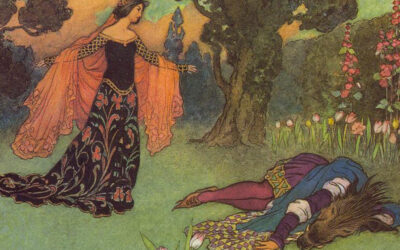
BEAUTY, her BEAST, and the BLOSSOMING SELF
The tale of Beauty and the Beast is at least 4,000 years old, perhaps second in popularity only to Cinderella. It has generated many print versions, animated films, a Broadway show, and a Disney film. What about this tale continues to ensure its popularity? And what is this tale really about?