pixel
Cultural Currents
THE QUEEN: Archetype & Individual

THE QUEEN: Archetype & Individual

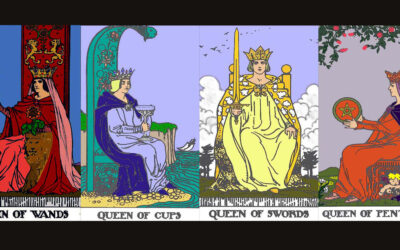
Queen Elizabeth II is mourned around the world. The world saw stages of life live in and through her: from maiden to mate, mother to matriarch, elder to aged. She inherited her title but grew into her role, becoming a unifying image of virtue, service, stateliness, and constancy–wrapped in dedication and devotion. Above the skirmishes of ego-driven politics, the Queen balanced the mystique of majesty with human presence. She bore difficulties and disappointment with dignity, and in the 70 years of her reign modeled a standard of nobility that enabled her to preside over tumult and change. Elizabeth II first governed herself, enabling authentic representation of the archetype of queen in its beneficent aspect: steadfast, valiant, and faithful to enduring ideals of sovereignty. Queen Elizabeth II fulfilled the promise of the crown, ancient symbol of exalted life, conferring its possibility and promise upon subjects and admirers worldwide.

ROAD TRIP: outer journey, inner mission

ROAD TRIP: outer journey, inner mission

The open road beckons: bigger, better, boundless. To see and to seek is a mythological theme with an American stamp, from wagon trains to memoirs and movies. Progress and mobility have long been associated with forging ahead and hitting the trail. Cars are personal capsules of autonomy and freedom: load, stop, and go according to wish or whim. Passing through and possibility are part of the road trip’s drift and direction. The traveler may hope for treasure, pleasure, or revelation—or be in flight from stasis, failure, and alienation. A road trip can be planned or spontaneous, solo or partnered, an initiation into the next stage of life, or an effort to evade it. Many are about relinquishing ego’s desire for a well-mapped destination and opening a path to psyche and Self. A road trip is an inner journey in the outer world. What will we encounter that reveals us to ourselves?

HATRED: a way to hide our secrets

HATRED: a way to hide our secrets

Hatred is a universal human emotion related to distancing and destroying. Hatred is anger, disgust, judgment, and contempt cemented into implacable permanence. Obsessive and inflating, hatred dupes us into feeling righteous and wrathful instead of small and wounded.

Can We Consider Abortion?

Can We Consider Abortion?

Issues like abortion test our ability to tolerate ambiguity and anxiety without activating the polarizing defenses of judging, moralizing, or demonizing the other.

DEATH: A Jungian Perspective

DEATH: A Jungian Perspective

Awareness of death can help us create an intentional life—one that serves the movement of soul toward wholeness. Jung realized that although we experience death as “a fearful piece of brutality,” the unconscious images death as celebration.

POISON: Toxic or Transformative?

POISON: Toxic or Transformative?

Pharmakon, the ancient Greek word for drug, can mean both “remedy” and “poison.” There is a close connection between poison and cure. Poison is stealthy, and takes us by surprise, whether through an unseen snake’s venomous bite or a ripe apple’s alluring disguise. Psychological poison glides past our defenses, pervades our being, and wounds us where we are most vulnerable. We participate in our poisoning through our own unknowing, from toxic cognitions and rigid fixations to self-doubt and self-sabotage. Poison can transform us by stinging us into building the immunity of increased consciousness and insight. Reason and objectivity can act as antidotes, allowing old attitudes to dissolve and new awareness to arise. Whether a poison is injected or ingested, we can use it for cure.

MORAL INJURY: Violation of Meaning

MORAL INJURY: Violation of Meaning

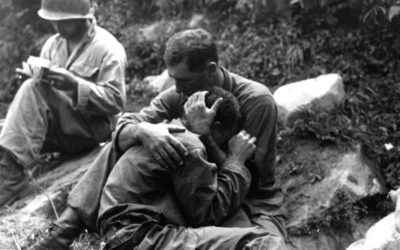
Moral injury violates our sense of justice, loyalty, and meaning—and creates a storm in the soul. Those who directly affect others’ lives are most at risk of suffering irreconcilable conflicts between behavior and belief: military, police, medical, educational, and other human service providers. The purported “cost of doing business” also calls us to confront institutional shadow–moral injury does not belong to the individual alone. The integrity of organizational and community values plays an important part in condoning morally distressing situations—and should play a role in healing the injured. Conflicts between actions and values are inevitable in life, and the core of being human is our unique capacity for choice. There is no way to escape shadow, and we are more than our mistakes. They are neither our totality nor our destiny.

CAUGHT IN THE CONFLICT: The Tension of Opposites

CAUGHT IN THE CONFLICT: The Tension of Opposites

Holding the tension between opposites was one of Jung’s foundational precepts. Although contradictory views are often a better witness to truth than one-sided conviction, beliefs and decisions often serve to relieve ambiguity, anxiety, and threat. Jung says, “The ego keeps its integrity only if it does not identify with one of the opposites, and if it understands how to hold the balance between them.”

DUPED: What Makes Us Gullible?

DUPED: What Makes Us Gullible?

Jung says, “The more one turns to the light, the greater the shadow behind one’s back.” Unacknowledged shadow can increase vulnerability to coercive dealings and regrettable decisions. We may find ourselves scammed, ripped off, and left holding the bag. Why didn’t we see it coming? Mostly because our denied fears and desires create blind spots others manipulate. Advertisers, hucksters, and con men prey on our fear of danger and disapproval and our quest for security and status. Gullibility is marked by misplaced trust and willful witlessness. We may not pause to reflect, research a decision, or seek neutral counsel. It is often relieving to trust an external authority rather than bear the anxiety and responsibility of choosing. When we fail to see our own shadow, we may be unable to recognize it in others.

CONTAGION: Pollution, Protection & Purity

CONTAGION: Pollution, Protection & Purity

When the archetype of purity is activated, science and psychology intersect. Fear of contamination has deep instinctual roots, evidenced in universal facial expressions of distress and disgust.