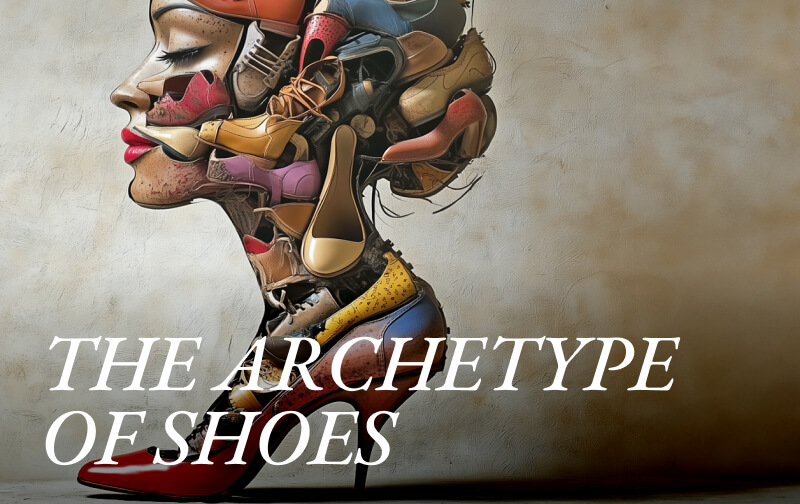
Shoes as Symbols connect identity, culture, and creative adaptation. Shoes reflect our movement through life and mark pivotal transitions, helping us hold the tension between vulnerability and agency. They appear in myths and stories as agents of change, signaling the emergence of a new attitude and facilitating its embodiment. The simple act of wearing shoes bridges the physical and psychological, grounding us while enabling exploration. Shoes communicate individual and collective identity, shaping and revealing roles in society. Tales, like Hans Christian Andersen’s The Red Shoes and Cinderella with her glass slippers, dramatize the tension between freedom and constraint, alienation and belonging. Exploring shoes in cultural narratives reveals their role in expressing and shaping psyche. Whether it’s the first tiny black patent leather shoes for a holiday or the first ski boots, their presence in childhood marks key moments of growth and self-discovery. Shoes empower us to adventure forward by protecting our vulnerable feet in innumerable styles that reflect the way we wish to be seen. Without realizing it, every step reveals where we’ve come from and where we are heading.
SATANIC PANIC: the Archetypal Slanderer and False Memory Syndrome
Oct 31, 2024
The Satanic Panic emerged as a uniquely intense moral panic, capturing public imagination and sparking widespread anxiety. This wave of hysteria originated in the 1980s amid fears of Satanic ritual abuse (SRA), particularly involving children. Public opinion, shaped by sensational media coverage, assumed a pervasive, organized threat, with accusations of ritualistic abuse taking place in everyday institutions like daycare centers. People came to believe that secret cults operated at every level of society, feeding off the deeply rooted fear of an underworld devoted to harm, subverting moral order, and corrupting the young. This period catalyzed a moral crisis as communities, families, and institutions wrestled with disturbing accusations while researchers and law enforcement searched in vain for evidence.
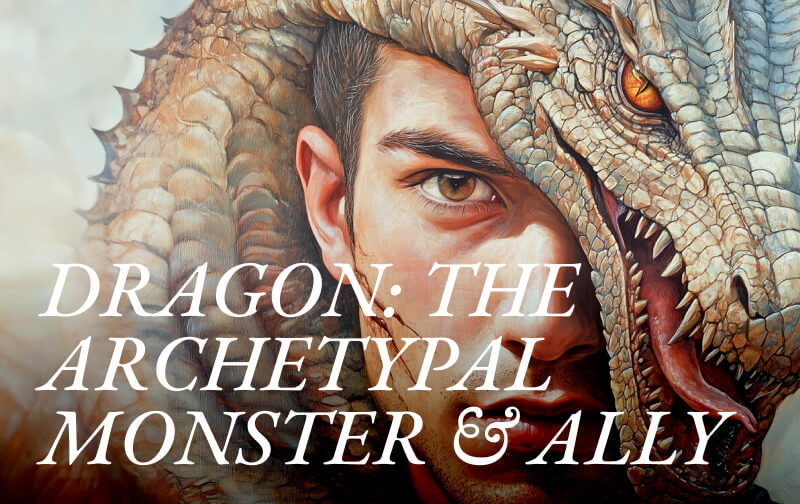
DRAGON: The Archetypal Monster and Ally Within
Sep 26, 2024
Dragons are everywhere—in mythology, dreams, and psyche. They appear in stories across cultures and ages, signaling something deep and profound about our shared human experience. These powerful symbols act as bridges to the collective unconscious. Their powerful influence frames them as enemies and allies, representing chaos, regression, and, at times, profound wisdom. The symbolism of dragons reflects our fears and primal desires, revealing how we grapple with the unknown in ourselves and the world around us.
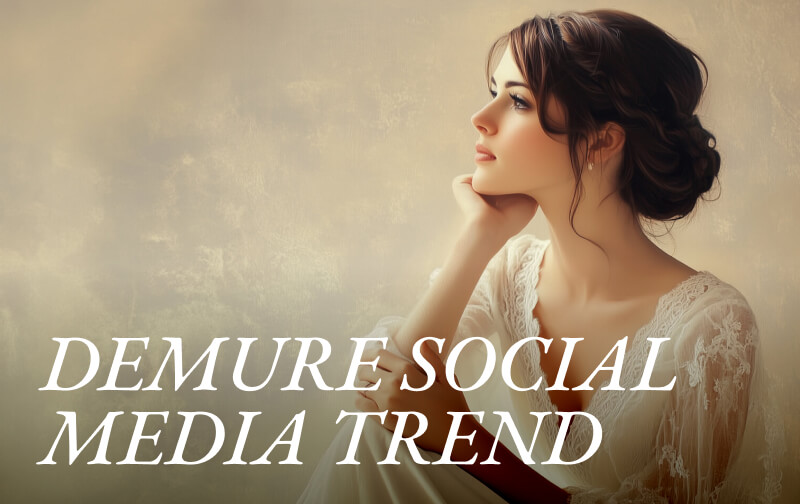
Demure Social Media Trend: Elegant or Oppressive?
Aug 29, 2024
The Demure Social Media Trend emerged as an unexpected countercultural movement, directly challenging the flamboyant and ostentatious behaviors that dominate digital platforms. This trend isn’t just about aesthetics; it delves into deeper cultural values, emphasizing modesty, restraint, and introspection. We must explore whether it signifies a return to elegance or imposes a subtle form of oppression.
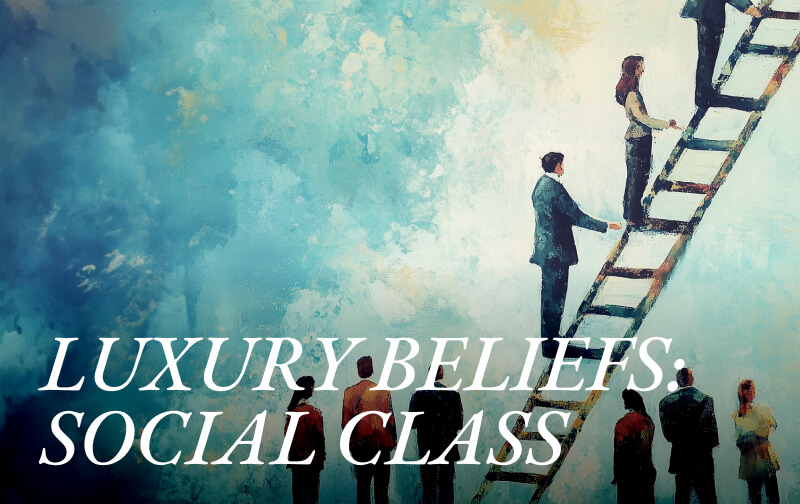
LUXURY BELIEFS: Has Social Class Shaped Your Mind?
Aug 1, 2024
Rob Henderson, author of the best-selling book “Troubled: A Memoir of Foster Care, Family, and Social Class,” explores the concept of “Luxury Beliefs.” Raised in poverty by a drug-addicted mother and navigating a series of painful foster care homes, Henderson found outward success through the military, Yale, and Cambridge but never resolved his inner suffering. His self-reflection led him to identify “Luxury Beliefs,” attitudes prevalent among his affluent peers that serve as social status indicators rather than practical principles. These beliefs, such as dismissing traditional marriage, advocating laissez-faire parenting and drug decriminalization, are manageable for the wealthy but destabilize poorer communities. By understanding luxury beliefs, society can foster empathetic conversations across socioeconomic lines, ultimately recognizing that the upbringing and environment we provide for children shape our future culture.
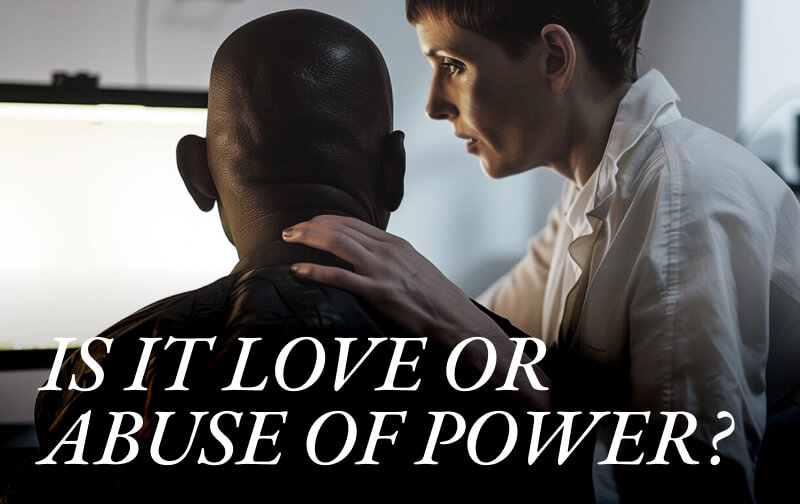
Is it Love or Abuse of Power? Shadow and Archetype in TELL THEM YOU LOVE ME
Jul 25, 2024
A Jungian perspective adds a level of psychological complexity to human conflict and suffering that forces us to hold warring tensions within us. Nick August-Perna’s film offers us that same opportunity, allowing multiple voices, divergent feelings, and cultural tensions to surface without resolution in hopes that we, as the viewers, will grow and learn through the struggle to understand.
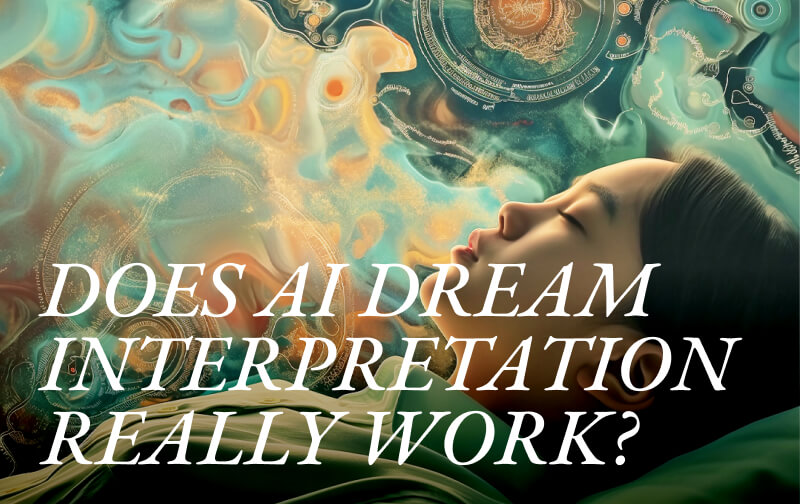
John Temple: Does AI Dream Interpretation Really Work?
Jun 20, 2024
AI Dream Interpretation demonstrates how artificial intelligence analyzes dreams, offering insights into the unconscious mind. Dreams can be mysterious, but AI provides an objective perspective human interpretation might miss. Leveraging AI’s ability to process large datasets allows for a comprehensive understanding of recurring dream themes, opening new possibilities for personal growth and self-awareness.
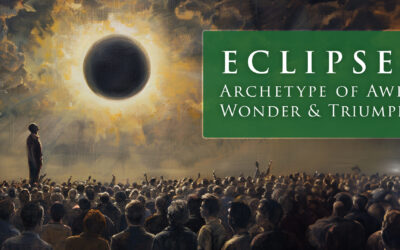
ECLIPSE: archetype of awe, wonder, and triumph
Apr 18, 2024
Solar eclipses captivate and draw us into their path, awakening a sense of awe and existential insight. They remind us of nature’s immense power and the transience of our existence. During eclipses, animals and plants exhibit strange behavior, and our fascination with astrology and celestial influences reflects a universal curiosity to understand the mysteries of the universe and our place in it.
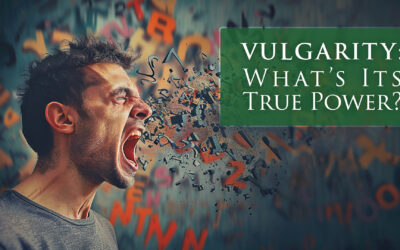
VULGARITY: What’s Its True Power?
Mar 28, 2024
Our collective fascination with vulgarity, obscenity, and profanity lies in the thrill of transgression and the need to articulate the unspoken aspects of human experience. As we navigate social acceptability, the vulgar mirrors our deepest shadow and wildest laughter, a space where sacred and profane dance in the liminal light of truth and rebellion. Engaging vulgarity challenges the rigid confines of propriety.
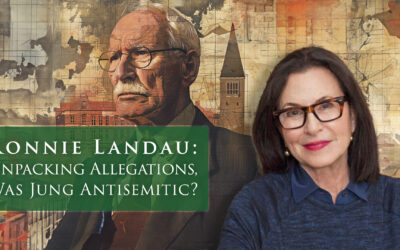
Ronnie Landau: Unpacking Allegations, Was Jung Antisemitic?
Mar 21, 2024
How do we interpret and evaluate C.G. Jung’s complex legacy in light of his interactions with Jewish individuals and the allegations of antisemitism, considering the nuanced historical context in which he lived and worked?”
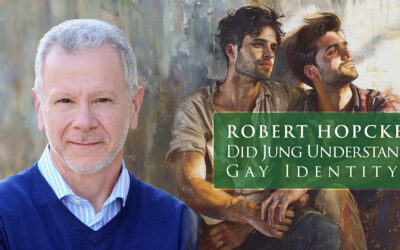
ROBERT HOPCKE: Did Jung understand gay identity?
Feb 29, 2024
Jungian psychology has a fresh take on integrating the shadow and the individuation process for LGBTQ+ folks. It encourages everyone to embrace their identity to achieve authenticity and wholeness. Reinterpreting Jung’s anima and animus concepts challenges the traditional binary notions of gender and sexuality, leading to a more fluid and inclusive understanding of these concepts. Dreams and fantasies can help people understand themselves better, showing them the archaic strata of desires, conflicts, and potentials hidden within their psyche. By engaging with the collective unconscious and its archetypes, LGBTQ+ individuals can better grasp themselves, fostering a sense of belonging and connection to the broader human experience. Jungian psychology recognizes and validates the complexity and diversity of human experiences, offering a framework that acknowledges and explores the many ways LGBTQ+ identities manifest and evolve.
THE VITAL SPARK: Reclaim Your Outlaw Energies and Find Your Feminine Fire
Feb 22, 2024
The Vital Spark represents the true essence of an individual’s authentic self. It encompasses the dynamic qualities that drive personal growth, creativity, and self-assertion. It embodies the deep-seated energies and potentials within us that, when acknowledged and embraced, lead to a life of fuller expression, resilience, and purpose.