VIDEO AUDIO Carl Jung, Marie-Louise von Franz and...

Have a podcast idea for 2026? Suggest a topic
Have a podcast idea for 2025? Suggest a topic

VIDEO AUDIO Carl Jung, Marie-Louise von Franz and...
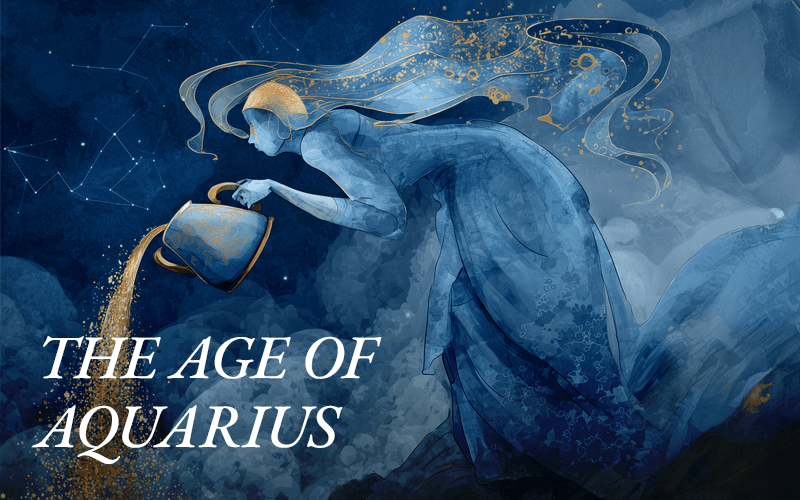
VIDEO AUDIO Jung suggested in Aion that humanity is...
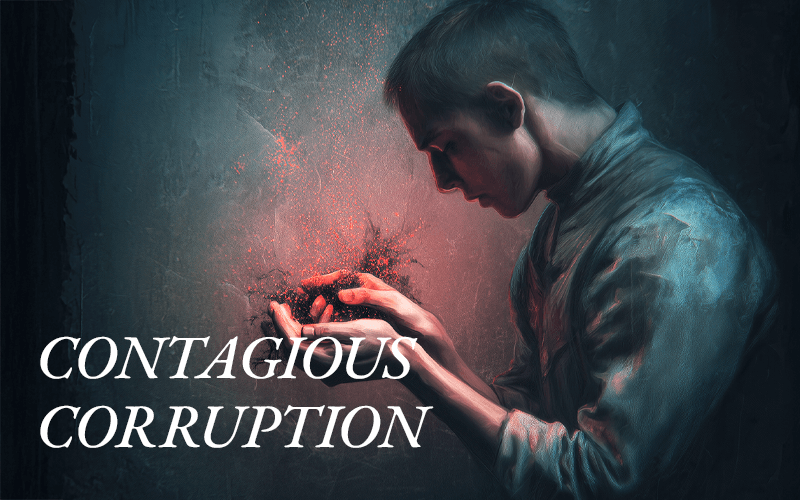
VIDEO AUDIO In this episode, Joseph, Lisa, and Deb...
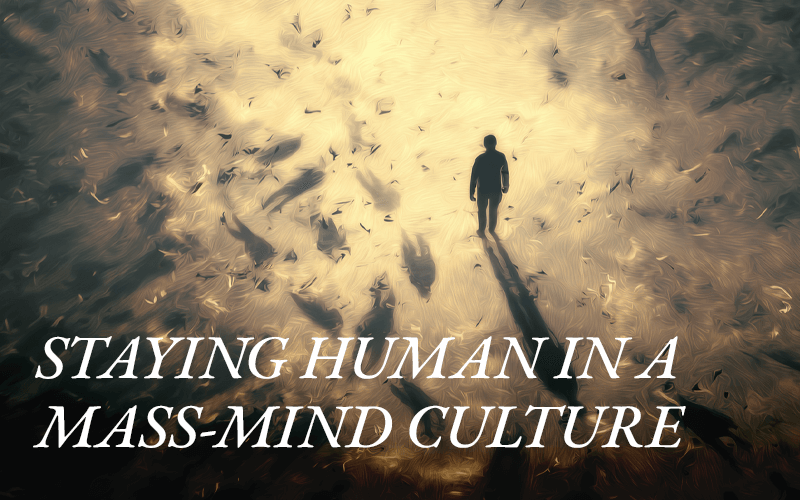
Jung wrote “The Undiscovered Self” in 1957, opening with “What will the future bring?”, as the Cold War, the Iron Curtain, and nuclear weapons gained enough momentum to threaten survival.
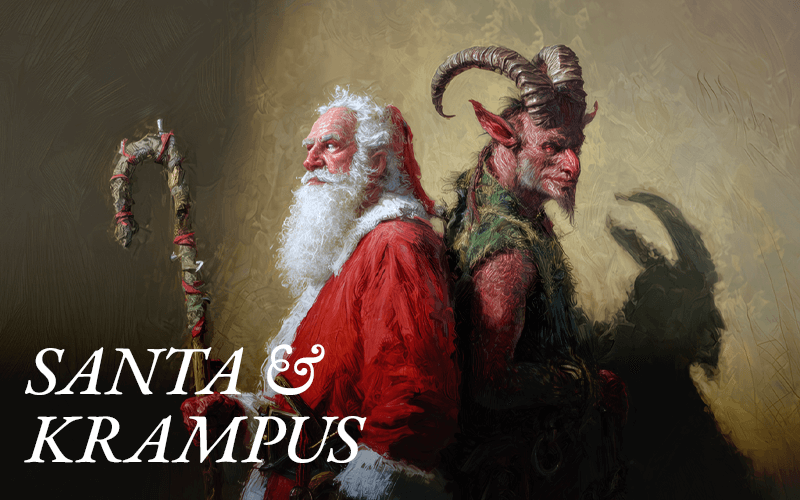
Santa Claus occupies a shared cultural role where consumer culture, family ritual, and childhood imagination intersect. In the current zeitgeist, he appears as a brand mascot, a mall employee, a streaming character, a meme template, and a seasonal workplace gaff. Many households treat Santa as an emblem to justify gift-exchange rules and attendance at holiday events. The “nice list” acts as a behavioral scoreboard that parents can deploy to maintain obedience with their kids, schools can echo the borrowed authority, and advertisers can amplify the promise of glorious rewards. Digital culture extends the influence of the myth through automated Santa trackers, package monitoring, and social feeds that stage evidence of Santa in real time. Santa also functions as a role model for adult generosity, charitable donations, toy drives, and anonymous giving. Contemporary debates cluster around parents propagating the myth with their children, equity in gift giving to keep status and power dynamics level, and the intrusion of capitalism and consumerism into a religious observance. The figure acts as a cultural symbol that combines desire, propriety, and communal ritual during the darkest weeks of the year.
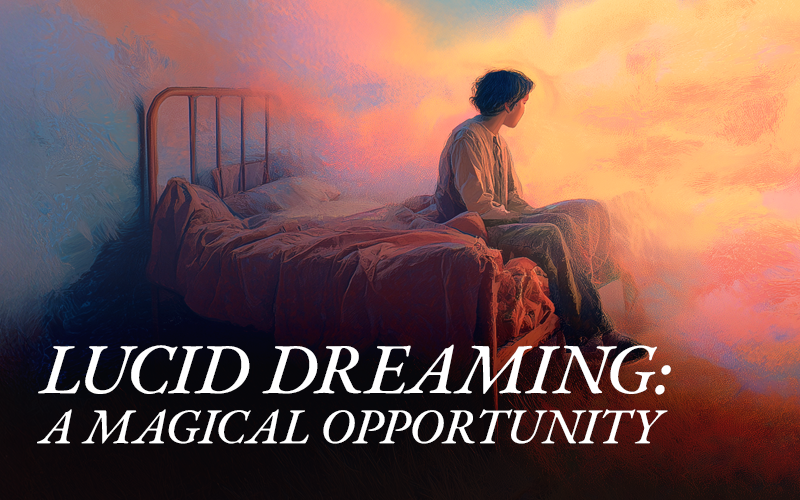
Lucid dreaming is an interesting ego state when we are dreaming and regain full self-awareness. Being awake in the dream world can be useful, but imposing a rigid agenda can undermine the Dream Maker’s attempts to educate and help us. Each dream is crafted to incrementally expand our awareness and acceptance of unconscious factors we need in order to grow. When we wake inside a dream, we can lose track of that important attitude and may use the dream as our playground—most people try to fly and miss significant opportunities. If we can achieve a non-grasping clarity, lucidity can deepen our inner work by enabling us to engage dream figures with the full measure of our curiosity. Researchers have various suggestions for increasing the frequency of Lucid Dreams, and ancient traditions like Dream Yoga help the aspirant learn about their mental structures. Attaining access to the inner worlds is similar to Jung’s Active Imagination and can yield comparable or even better results.
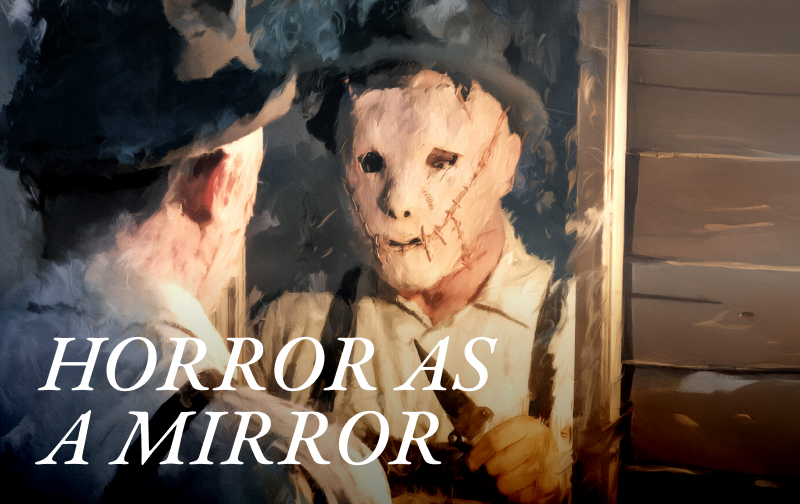
The new controversial Netflix series MONSTER: The Ed Geen Story offers a window into the devouring mother archetype, a transformation fantasy gone horribly wrong, and the human capacity for monstrous behavior. Geen’s crimes inspired the Hitchcock movie Psycho, The Texas Chainsaw Massacre, and Silence of the Lambs. It challenges the audience to confront its fascination with evil and begs the question, where do the monsters hide in our own Psyche? To help us wrestle with these questions we’re joined by Joey Pollari—actor, musician, director, editor and the man who plays Anthony Perkins in the show. We’ll explore how intimacy with darkness affects a performer, how public persona and private pain intersect, and why we continue watching when the camera reveals what we’d rather not know. Trigger-Warning—this episode discusses violence, death, and conversion therapy.
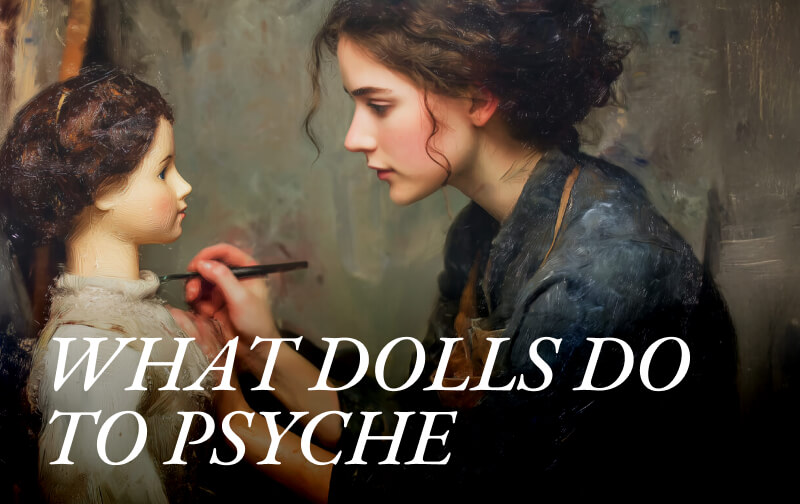
Dolls are human stand-ins that invite projection and play; children use them (including action figures and Barbies) to try on identities and develop imagination, then later withdraw the projection as the figure becomes inert again. Icons and idols differ because their meaning is fixed and not for play, which limits imaginative engagement. The healthiest use of dolls is symbolic—relating to them without collapsing into literal belief—while overly realistic “reborn” dolls, talk-box toys, and similar literalizations can narrow imagination, blur symbol and reality. Across history dolls have served ritual, funerary, and “sympathetic magic” functions, echoing a recurring human urge to craft lifelike figures and “breathe life” into them. A modern parallel appears in AI’s disembodied mirroring—an echo that can soothe but does not foster embodied, self-generated play. The practical test: does the figure expand inner life and integrate feeling, or does it substitute for reality and stunt imagination? Dreams carry the same work inward; their figures function like internal dolls that invite dialogue and meaning-making.
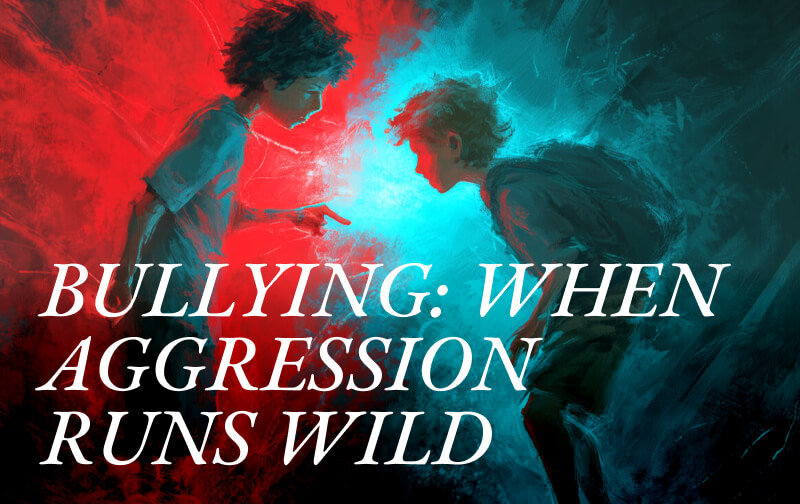
Bullying is about unmanaged aggression and broken containment in early life. Aggression is normal, but kids need adults to name it, hold it, and channel it into play with clear rules. When that doesn’t happen, some children learn to control and humiliate to feel safe, while others shut down and can’t access protective anger. Bullying works as a quick fix for shame or missing recognition, or as an enactment of a harsh inner critic; it gives brief relief and then flips into emptiness. In pairs and groups, people assign disowned traits to a target and attack them, and the crowd effect spreads cruelty while personal conscience fades. Schools should step in directly and calmly: set firm limits, bring the conflict into speech, teach regulation, build empathy, and help vulnerable students practice plain, assertive pushback. Change is easier in childhood; in adults, the pattern hardens and can cross into legal trouble. The ongoing task is individuation and shadow work: own the times you bullied or collapsed, take back what you projected, and use aggression for boundaries and clarity rather than domination or surrender.
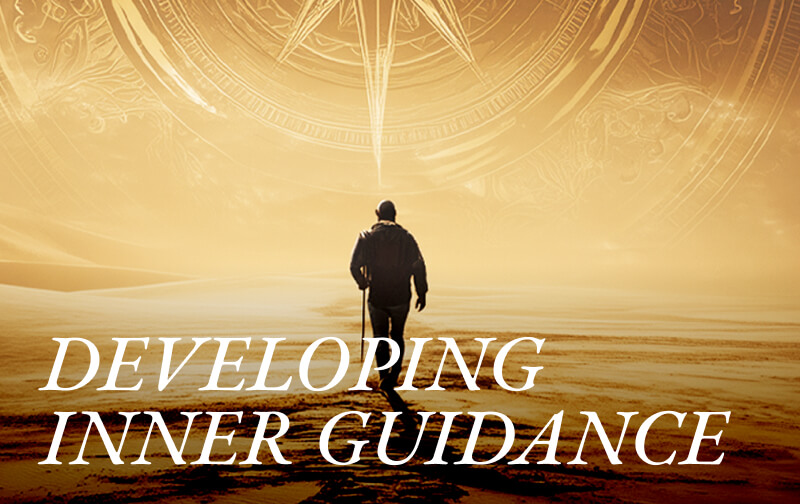
Inner guidance is Psyche’s built-in orienting system, a silent interlocutor that Jung named the Self. When the ego listens to that source, life organizes around an inner axis rather than around social noise. The conversation begins in dreams: every night the unconscious compensates for one-sided attitudes and sketches latent possibilities, offering images that ask to be amplified rather than solved. Even a “snippet” is enough; when recorded in a temenos of morning journaling, the material becomes a living letter whose meaning ripens across weeks or years. Symbols such as the abattoir, the dictator, or the mysteriously delivered “blessings” in the dream transcript confront the dreamer with shadow, sacrifice, and the double face of unconscious gifts—each theme urging dialogue rather than repression.
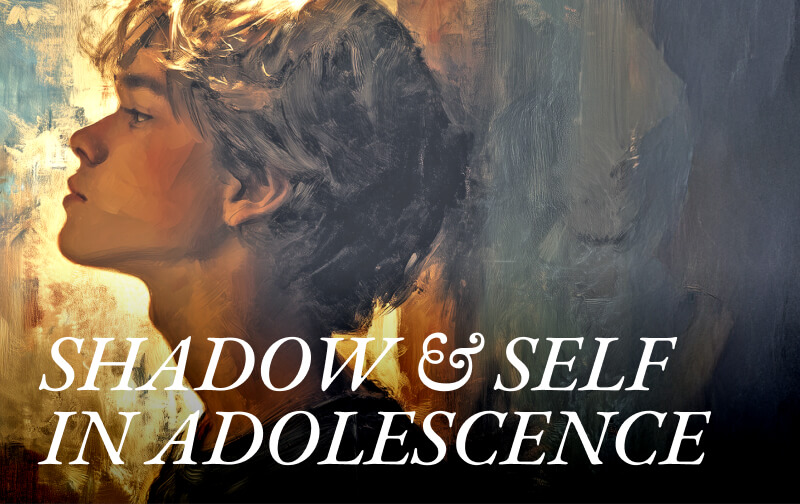
Adolescence is a transitional life stage marked by profound biological, psychological, social, and cultural changes. Spanning roughly the second decade of life (and often extending into the early twenties), it bridges childhood and adulthood in complex ways. Modern research views adolescence not just as a biological phase of puberty, but as a multifaceted phenomenon involving brain maturation, identity formation, shifting social roles, and symbolic meaning.
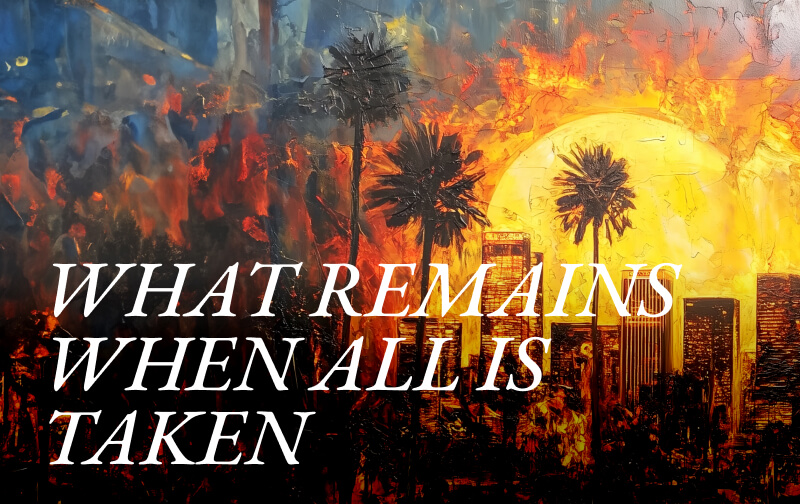
Fire is the great eraser. It recognizes no hierarchy, no privilege, no sanctuary. The inferno of Los Angeles, relentless in its advance, strips away the illusions of permanence—homes reduced to embers, landmarks erased, identities fragmented into smoke. This week’s wildfires, consuming over 20,000 acres and displacing thousands, remind us of nature’s raw and indifferent power. Yet fire is not solely an agent of destruction; it is also a force of transformation. What remains when all is lost? What emerges when the familiar is torn away?