VIDEO AUDIO Carl Jung, Marie-Louise von Franz and...

Have a podcast idea for 2026? Suggest a topic
Have a podcast idea for 2025? Suggest a topic

VIDEO AUDIO Carl Jung, Marie-Louise von Franz and...
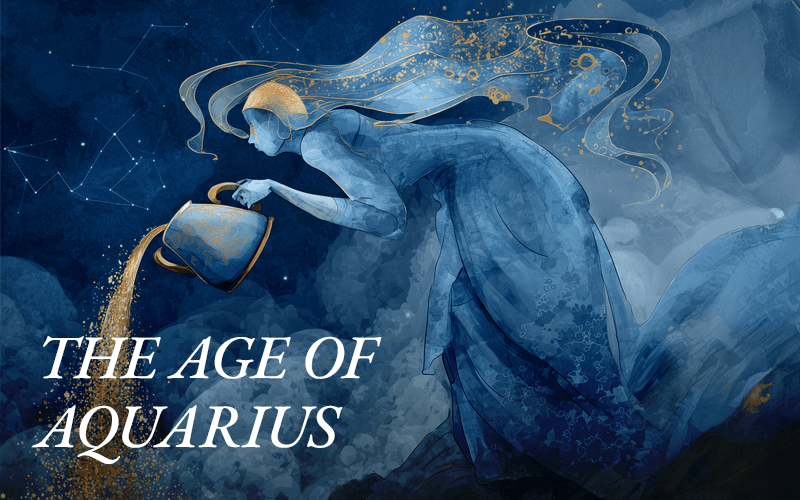
VIDEO AUDIO Jung suggested in Aion that humanity is...

VIDEO AUDIO Chance encounters can change the whole...
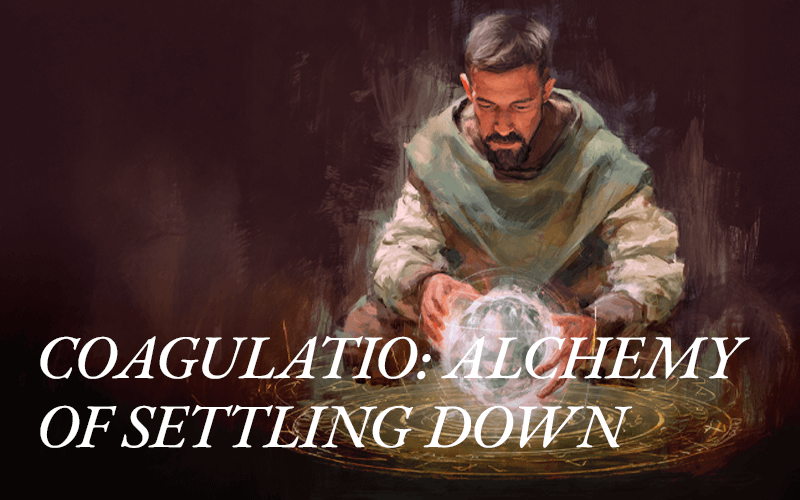
VIDEO AUDIO COAGULATIO marks the...

VIDEO AUDIO Jungian analysts Joseph Lee and Deb Stewart...
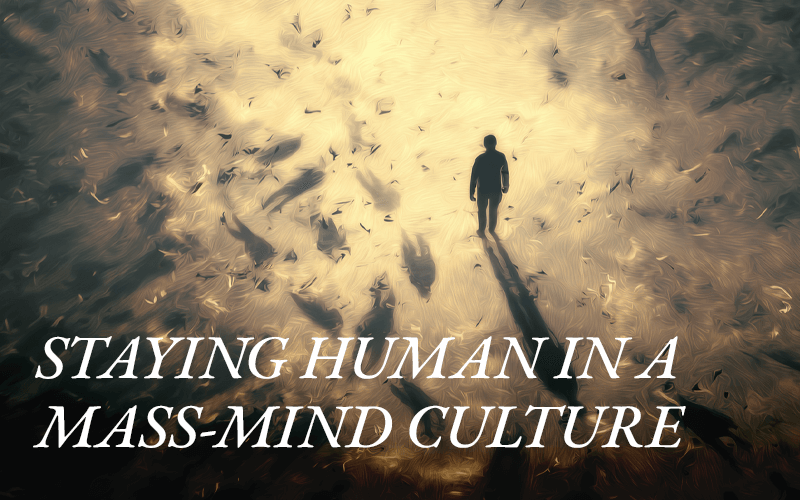
Jung wrote “The Undiscovered Self” in 1957, opening with “What will the future bring?”, as the Cold War, the Iron Curtain, and nuclear weapons gained enough momentum to threaten survival.
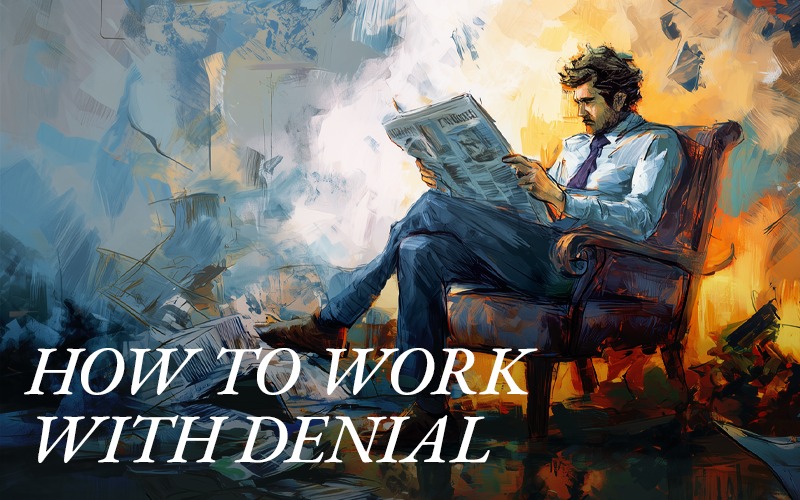
Denial, repression, and dissociation reflect different ways we manage what we know and feel. In denial, we face a fact that is too uncomfortable to accept and we reject it, insisting it is not true despite the evidence. In repression, we once recognized a wish, thought, or event, and then it moved outside conscious awareness while retaining symbolic form. In dissociation, awareness divides into compartments with weak links between them. Memories, affects, perceptions, and self-states can function in semi-independent ways, with only partial mutual access. In clinical work, these distinctions matter. Repressed material often returns as thoughts, images, or narratives that feel displaced, intrusive, or out of character. What we deny discharges its intensity through behavior, bodily symptoms, and slips of language. Dissociation can be observed in sudden mood shifts, shifts in viewpoints, or changes in the sense of identity. Contemporary relational theorists emphasize that some defensive operations maintain experience in an “unformulated” state; it has not yet been shaped into symbolized meaning. When we track which of these mechanisms predominates, we get a sharper map of how a person has coped and where integration work can begin.
translation into eternity of that which has been created in time. Jung’s 1944 visions are a model for the greater form, an elevation to an objective form in which one’s entire history is transformed into a single accomplishment. In the end, we come to realize our lived experiences will abide in the collective unconscious. Lesser ascents stabilize a new perspective; the greater places are in the universal. This distinction clarifies the range of ascent imagery in dreams and visions. It also calibrates therapeutic goals against eschatological experiences.
Think of myths as the dreams of an entire culture. Those stories reside in the collective unconscious and influence all of us throughout our lifespan. Mythic patterns shape our attitudes, and when we recognize them, we can link our personal experiences to the universal. When you’re panicking, you’re under the influence of Pan; when you’re sunk in gloom, you’re on a night-sea journey like Odysseus. Jungians’ call linking the personal to the universal, amplification: take a symptom, link it to a myth, and you’ve shifted it from “my private defect” to “a shared force,” which gives us objectivity. Jung noticed that when we lose awareness of the mythic, those patterns secretly affect us and tend to act themselves out, sometimes recklessly. Today, we’ll help you bring these grand narratives into awareness and understand how they help and, at times, hinder you.
Holding the tension of the opposites is a deliberate practice of keeping a true inner conflict steadily in awareness until Psyche offers a new form that includes what each side demands. Jung names the inner mechanism that enables this shift the transcendent function, which arises from the union of conscious and unconscious contents. This definition sets a clear frame: consciousness brings its viewpoint, the unconscious contributes what consciousness misses, and their meeting yields movement. The practice concerns real, affect-laden standpoints rather than abstract word games. The personality carries the conflict long enough for something fresh to take shape from the pressure itself. That something arrives as a symbol and not as a compromise, which matters for growth.
VIDEO AUDIO Imagination has always been one of those...

Solutio is Psyche’s method to facilitate transformation: our rigid ego is softened in symbolic water, allowing outworn attitudes to unbind. We can see this reflected in dreams of oceans and baths, or a wall of our house dissolving. This can show up when we slough off our work persona or a creative depression brought on by retirement. Analysis itself—ana-lysis—a deliberate loosening, can deepen the process by offering a safe container to let go and yield to the process. The work is careful because the waters that purify (baptism or tears) can also drown us (psychosis or crowd contagion). We require a supportive relationship, a daily spiritual practice, or the analytic hour to hold us as our ego reorganizes like a butterfly in a chrysalis. Once our ego solidifies, we notice we’re more permeable to symbols or less defended against feelings. We’re more skilled at breaking problems into their component parts with a determination to resist regressing. The alchemical process was not created; it was noticed as a natural pattern of transformation. It leaves us with more of who we really are, but we couldn’t have claimed until we became soft enough to receive it.